A/B Your Day: Prototype Better Habits That Stick

Today we explore A/B testing your daily routines and prototyping better habits by turning everyday choices into friendly experiments. Instead of guessing what works, you will compare small variations, track simple signals, and iterate with kindness. Expect practical checklists, real stories, and clear steps that help you test mornings, work blocks, and evenings without burnout. Share your findings, ask questions, and subscribe to receive templates, prompts, and gentle accountability nudges for your next experiment.

Define Your Variants

Create two routine versions that differ by one meaningful variable while holding everything else constant. For example, meditate before coffee versus after coffee, or start work with email versus deep task. Write the exact steps for each variant so decision fatigue disappears. Keep the test window short, like seven mornings, and note context changes, such as travel or sleep. Clear definitions reduce confusion, minimize bias, and make your results easier to interpret and repeat next month.

Keep One Metric Primary

Choose a single primary outcome, such as sustained focus during your first work block, or average energy from breakfast until lunch. Support it with two light secondary indicators, like mood and steps. Record numbers on a simple one-to-five scale, plus a single sentence of context. When you review, let the primary metric lead, using secondary clues only to explain fluctuations. This approach protects you from overfitting noisy data while keeping the experiment delightfully practical.

Morning, Midday, Night: Split-Test The Flow

Your day is a living laboratory shaped by light, nutrition, movement, and attention. Instead of rebuilding everything at once, rotate focus across morning ignition, midday productivity, and evening recovery. Respect circadian rhythms, personal preferences, and unavoidable obligations. Design gentle switches that fit your calendar, like swapping sequence or timing rather than adding complex chores. Capture quick notes right after each block ends, while sensations are clear. Invite readers to share their sequence wins and surprising flops in the comments.

Morning Energy Patterns

Compare two simple openers: light exposure and water before phone, versus a brief stretch and journaling before coffee. Track energy at ninety minutes, focus during your first deep task, and mood after breakfast. Keep breakfast consistent to avoid noise, and note sleep quality. If mornings are chaotic, test micro-versions on just three weekdays. Aim for the smallest reliable boost, then lock it in for two weeks. Share your top sequence so others can adapt it compassionately.

Work Blocks And Breaks

Test ninety-minute deep work with a five-minute walk break versus sixty-minute focus with a ten-minute stretching reset. Use a single task category to reduce variability, like writing or analysis. Measure perceived depth, task throughput, and how quickly you re-enter flow after breaks. Mark interruptions, notification settings, and whether you used headphones. After a week, keep the format that gives calm momentum, then iterate on break structure or soundtrack. Encourage teammates to co-run the test and align meeting windows.

Evening Wind-Downs

Compare a device-free reading routine with dim lights against a gentle yoga flow followed by a warm shower. Track time-to-sleep, sleep satisfaction on waking, and next-day morning energy. Keep dinner timing and content steady to avoid confounding digestion effects. If you have kids, test only one element, like fifteen minutes of family quiet time or prepping bags for tomorrow. Prioritize rituals you look forward to, not just rules. Report your results, and swap favorite calming book lists with our community.

Measure Without Overwhelm
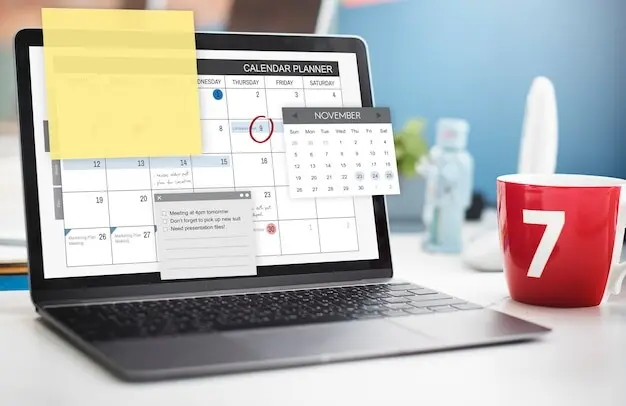
Data should illuminate, not intimidate. Favor minimal friction tools you genuinely enjoy using. A pocket notebook, a tiny spreadsheet, or a simple habit app can each work beautifully if you log consistently. Decide when and where logging happens: after breakfast, post-lunch, and before bed. Automate where possible with wearables, but reflect with words to capture nuance. At week’s end, a ten-minute dashboard review is plenty. Ask questions, request our free tracker template, and trade measurement ideas with peers.

Prototype Tiny, Then Scale

Big changes begin as tiny, repeatable wins. Build the two-minute version first, then expand gradually as evidence accumulates. Reduce friction by preparing environments, defining triggers, and celebrating microscopic completions. When a micro-habit proves reliable, increase duration or intensity by just ten to twenty percent. If performance dips, shrink again and protect joy. Use a weekly keep, kill, or tweak ritual to refine. Invite readers to request our micro-prototype checklist and share photos of their delightful, low-friction setups.

Real Stories From Everyday Experiments

Stories make principles sticky. These everyday cases show how small, structured changes unlock disproportionate wins while respecting messy realities. Notice the emphasis on one shift at a time, clear metrics, and friendly reviews. Each example ends with a practical takeaway you can copy this week. Add your story in the comments, and tell us what surprised you most. We often highlight reader experiments in our newsletter to encourage honest, compassionate iteration across different jobs, families, and energy patterns.

Writer Versus Coffee Timing

A freelance writer compared writing a paragraph before coffee with sipping coffee while outlining. Primary metric was clarity during the first ninety minutes, secondary metrics were word count and mood. After ten days, pre-coffee writing consistently improved clarity and reduced anxious scrolling. The writer kept that change, then tested a keyboard upgrade as a friction reducer. Takeaway: front-load output before stimulating distractions. Try it for a week, and share whether your first draft felt calmer, crisper, and faster.

Manager Standup Shuffle

A team lead tested daily standups at 9:30 a.m. versus 2:00 p.m. Primary metric was afternoon deep-work hours, with team sentiment as a secondary indicator. The afternoon standup preserved long morning focus blocks and improved cross-time-zone participation. A lightweight async update handled urgent items. After two weeks, the team adopted the later slot, then iterated on weekly planning to reduce Monday thrash. Consider testing your meeting anchors similarly, and post your calendar before-and-after to inspire brave scheduling experiments.

Parenting The Morning Rush

Two caregivers compared packing lunches at night with a shared checklist versus preparing in the morning with a divided task list. They measured departure punctuality and parental stress ratings. The evening pack, plus laying out shoes and keys, cut frantic searching and improved breakfast conversations. A laminated checklist on the fridge kept everyone aligned. They later added a ten-minute tidy sprint with music. Try your version for five school days, then report the calmest moment you created and why.

Avoid Pitfalls, Sustain Momentum

Common mistakes can quietly sabotage your experiments: changing too many variables, tightening rules until joy vanishes, or chasing noisy data. Protect momentum by pruning complexity, accepting variability, and celebrating consistency over intensity. Pre-commit to short tests with clear stop conditions and humane defaults. When life gets messy, pause without guilt, resume with a fresh baseline, and capture one learning sentence. Ask for our relapse-recovery checklist, join the discussion with your biggest challenge, and invite a friend for gentle accountability.
Telilorovarolumamexofari
Privacy Overview

This website uses cookies so that we can provide you with the best user experience possible. Cookie information is stored in your browser and performs functions such as recognising you when you return to our website and helping our team to understand which sections of the website you find most interesting and useful.